
Chicago Burlesque History: From Vaudeville Stages to Modern Cabaret
Chicago has always been a city that rewards bold performers.
Long before skyscrapers defined its skyline, Chicago was earning a reputation as America’s entertainment capital. Railroad lines carried performers from coast to coast. New theaters appeared almost overnight. Vaudeville audiences packed ornate houses to laugh, cheer, and escape everyday life. Jazz drifted out of Bronzeville clubs after midnight. Prohibition transformed hidden rooms into stages for singers, dancers, comedians, and entertainers who pushed creative boundaries.
Burlesque didn’t simply pass through Chicago—it evolved here.
From elaborate Victorian productions to the glamour of vaudeville, from neighborhood theaters to modern cabaret venues, generations of artists have helped shape an art form built on wit, music, storytelling, satire, craftsmanship, and confidence. While many people today associate burlesque only with striptease, its history is far richer, spanning more than 150 years of theatrical innovation.
Today, Chicago remains one of North America’s most vibrant burlesque communities. Historic theaters, independent producers, costume designers, musicians, and performers continue to reinvent the art while honoring the generations who came before them.
Whether you’re discovering burlesque for the first time or looking to experience today’s thriving scene through our Chicago Burlesque Shows, understanding where this art form came from makes every performance even more meaningful.
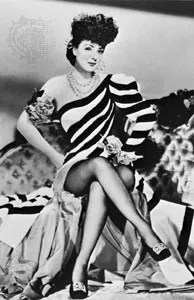
What Is Burlesque?
The word burlesque originally referred to parody.
Derived from the Italian burla, meaning “joke” or “mockery,” early burlesque performances were theatrical spoofs that exaggerated famous literature, politics, mythology, and popular culture. During the Victorian era, elaborate productions combined comedy, music, dance, costumes, and satire into spectacular evenings of entertainment.
Over time, particularly in America, burlesque evolved into a distinctly different style.
Comedy sketches shared the bill with singers, dancers, novelty acts, musicians, magicians, and eventually striptease performers. Rather than replacing theatrical storytelling, striptease became one element within a much larger variety show.
This combination of humor, spectacle, glamour, and audience interaction helped make burlesque one of the most popular forms of live entertainment in the United States during the late nineteenth and early twentieth centuries.

Chicago Becomes an Entertainment Capital
Few cities were better positioned for burlesque’s growth than Chicago.
Following the Great Chicago Fire of 1871, the city rebuilt at extraordinary speed. Railroads connected Chicago to nearly every major American city, making it a critical stop for touring theatrical companies. Vaudeville circuits flourished, allowing performers to work year-round while traveling between New York, Chicago, Kansas City, St. Louis, Minneapolis, and beyond.
By the early 1900s, Chicago audiences could choose from dozens of theaters presenting:
- Vaudeville
- Musical comedy
- Burlesque
- Opera
- Traveling Broadway productions
- Circus acts
- Comedy revues
- Concert performances
The city’s diverse immigrant communities also brought new musical traditions, languages, dance styles, and comedic influences that enriched Chicago’s entertainment culture.
The Golden Age of Chicago Vaudeville
Chicago’s grand theaters became destinations in their own right.
The majestic Chicago Theatre welcomed audiences beneath dazzling marquees. The Oriental Theatre showcased spectacular touring productions. The Palace Theatre became one of several venues where vaudeville stars developed loyal followings before moving on to national fame.
These stages hosted an astonishing range of talent.
One evening might include:
- comedians
- dancers
- trained animals
- acrobats
- illusionists
- singers
- dramatic actors
- orchestras
- burlesque performers
Audiences expected constant variety. Every act competed to capture attention within minutes, encouraging performers to develop unforgettable costumes, memorable entrances, polished stage presence, and impeccable timing.
Many of the performance techniques still taught today—from audience connection to precise musicality—can trace their roots to this era.

Burlesque and the Art of Reinvention
Unlike many theatrical traditions, burlesque has always embraced reinvention.
Performers built distinctive stage personas rather than simply portraying fictional characters. Costumes became visual storytelling. Gloves, corsets, feathers, fans, rhinestones, and elaborate gowns transformed entrances into theatrical events before a single garment was removed.
This emphasis on character helped audiences remember performers long after the curtain closed.
For many women, burlesque also offered unusual opportunities for entrepreneurship.
Successful headliners often:
- designed costumes
- negotiated contracts
- hired musicians
- managed touring companies
- controlled their own publicity
- sold photographs and merchandise
- built recognizable personal brands decades before social media existed
In an era when professional opportunities for women remained limited, burlesque provided remarkable avenues for creative and financial independence.
Bronzeville, Jazz, and Chicago’s Black Entertainment Legacy
No history of Chicago performance is complete without recognizing Bronzeville.
During the Great Migration, thousands of Black artists, musicians, entrepreneurs, and audiences transformed Chicago’s South Side into one of America’s great cultural centers.
Jazz clubs, theaters, dance halls, and neighborhood venues became incubators for extraordinary creativity.
These spaces nurtured performers whose influence extended far beyond Chicago while creating opportunities often unavailable in segregated mainstream venues.
Although Black performers frequently faced discrimination within national vaudeville circuits, they developed thriving artistic communities that profoundly influenced American music, dance, comedy, fashion, and stagecraft.
The improvisation, musical sophistication, and audience connection cultivated in Bronzeville continue to shape Chicago’s live entertainment today.

Prohibition and Chicago’s Legendary Nightlife
When Prohibition began in 1920, entertainment didn’t disappear.
It simply moved behind hidden doors.
Speakeasies flourished throughout Chicago, combining live music, comedy, dancing, cocktails, and theatrical performance into unforgettable evenings. While Hollywood later romanticized this era, the reality was both glamorous and complicated.
Performers adapted constantly.
Smaller venues encouraged more intimate audience interaction. Jazz musicians collaborated with dancers. Cabaret formats emerged that blended storytelling, music, and personality in ways traditional theaters often could not.
Many elements audiences now associate with modern cabaret—including immersive atmosphere and direct performer-audience connection—can trace their lineage to these underground spaces.
Why Burlesque Declined
Several cultural shifts transformed American entertainment after World War II.
Television offered inexpensive entertainment at home.
Suburban growth changed nightlife patterns.
Large touring theatrical circuits became increasingly difficult to sustain.
Changing censorship laws altered audience expectations, while many historic theaters closed or were demolished.
By the 1960s and 1970s, traditional burlesque had largely disappeared from mainstream American culture.
But it never vanished completely.
Independent performers, historians, collectors, and devoted audiences preserved costumes, choreography, photographs, music, and traditions that would inspire a remarkable revival decades later.

Chicago’s Neo-Burlesque Revival
Beginning in the 1990s, a new generation rediscovered burlesque.
Rather than simply recreating historic performances, artists blended vintage glamour with contemporary storytelling, comedy, dance, circus arts, drag, live music, and personal narrative.
Chicago quickly emerged as one of the country’s most influential neo-burlesque cities.
Independent theaters embraced original productions.
Festivals attracted performers from around the world.
Costume makers developed extraordinary wearable art.
Producers experimented with immersive experiences, themed productions, and collaborations across disciplines.
Today’s performers draw inspiration from history while creating work that reflects contemporary conversations around identity, confidence, creativity, humor, and community.
Why Live Burlesque Still Matters
In an age of streaming platforms, social media, and artificial intelligence, live performance offers something technology cannot fully replicate.
Presence.
Every audience changes a performance.
Every laugh arrives at a different moment.
Every applause, glance, improvisation, and unexpected interaction becomes part of a unique evening that can never be repeated exactly.
Burlesque remains deeply human because it depends on connection between performer and audience.
It celebrates craftsmanship developed over hundreds of hours.
Costumes sewn by hand.
Music carefully chosen.
Characters refined through rehearsal.
Confidence built one performance at a time.
That shared experience explains why live cabaret and burlesque continue to thrive despite dramatic changes in entertainment technology.
Experience Chicago Burlesque Today
Chicago’s burlesque community continues to honor its remarkable history while constantly evolving.
Whether you’re attending your very first show, exploring the city’s theatrical traditions, or considering stepping onto the stage yourself, you’ll find an art form built on creativity, resilience, humor, elegance, and genuine human connection.
If history inspires you to experience burlesque firsthand, explore our Chicago Burlesque Shows to see today’s artists carrying this tradition forward.
Interested in becoming part of that tradition? Our Chicago Burlesque Classes, Current Class Schedule, and Private Burlesque Lessons welcome complete beginners as well as experienced performers looking to deepen their craft.
Chicago helped shape burlesque’s past.
There’s every reason to believe it will help shape its future as well.
